Covas de Cumieira
March 21st, 2026
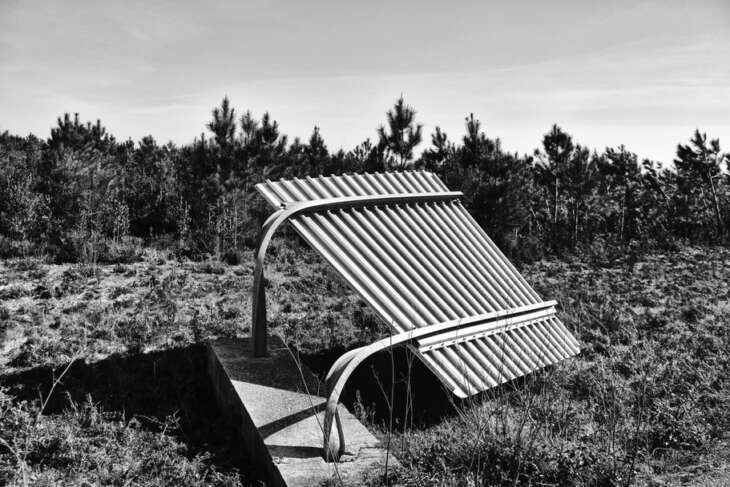
21.02.2026. Leiría, Portugal.- Storm Kristin was a compact, catastrophic and record-breaking extratropical cyclone that severely impacted Portugal, as well as parts of the Mediterranean and Southeastern Europe in late January 2026. Storm Kristin was the twenty-sixth storm of the 2025-26 European windstorm season, and the eleventh to be named by the south-western naming group, which consists of France, Spain, Portugal, Belgium, and Luxembourg. Kristin was named by the IPMA on 27 January, as a significant impact was forecast.[8] The impact of Kristin and her successors was described as a humanitarian crisis by a researcher in extreme weather and climate change.
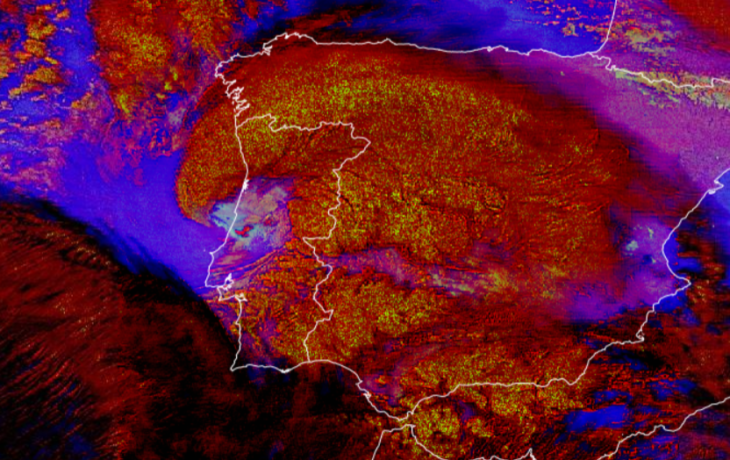
Kristin achieved record-breaking status by rapidly intensifying just before striking the Leiria district, becoming Portugal’s strongest on record. Kristin made landfall at peak intensity in the Leiria district, which resulted in extremely intense winds in multiple Portuguese districts.
Kristin especially affected the Portuguese districts of Leiria, Coimbra, and Santarém, but also affected other districts in Portugal such as Lisbon. After moving through Portugal, Kristin also affected Spain severely. As a result of Kristin, Portugal experienced its largest blackout in history. Around 1,000,000 customers in Portugal were without power, according to E-Redes.[13] Approximately 170,000 customers experienced power outages in Andalusia. Over 2,000 injuries were reported in Portugal, most of them got injured indirectly as a result of cleaning and reconstruction operations or misusage of generators. Furthermore, 14 deaths were attributed to Kristin in Portugal, six direct and eight indirect. One death and 5 injuries were reported in Spain. Estimated monetary losses in Portugal are more than €6 billion, which is more than 1.6% of the country’s GDP, making Kristin the most damaging storm on record for Portugal. Initial government estimates indicate losses of €1.2 billion in Spain, bringing the total amount of losses by Kristin to more than €7.2 billion, which makes Kristin the most damaging European windstorm since Lothar of 1999. At least 15 million trees fell in Portugal during Kristin.
Kristin’s successor, storm Leonardo, was responsible for causing major floodings in parts of Portugal, which exacerbated the impact of Kristin. (Source: Wikipedia, author)
Ian Berry, new book: Water
March 12th, 2026
Supporting the long term project WATER by colleague and friend Ian Berry published recently as a book. A colossal work that took him years to complete.
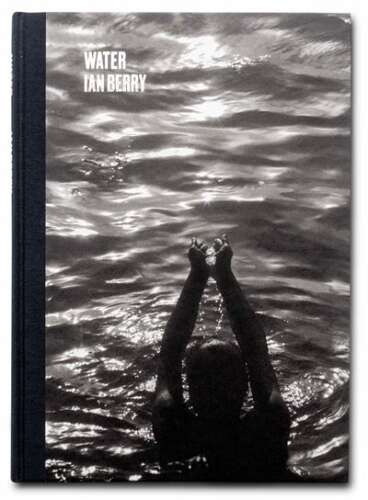
Last copies of WATER, the new book of Ian Berry.
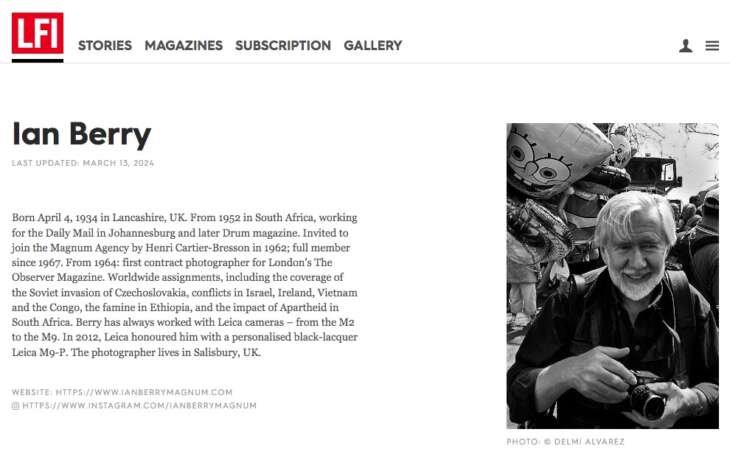
Born April 4, 1934 in Lancashire, UK. From 1952 in South Africa, working for the Daily Mail in Johannesburg and later Drum magazine. Invited to join the Magnum Agency by Henri Cartier-Bresson in 1962; full member since 1967. From 1964: first contract photographer for London’s The Observer Magazine. Worldwide assignments, including the coverage of the Soviet invasion of Czechoslovakia, conflicts in Israel, Ireland, Vietnam and the Congo, the famine in Ethiopia, and the impact of Apartheid in South Africa. Berry has always worked with Leica cameras – from the M2 to the M9. In 2012, Leica honoured him with a personalised black-lacquer Leica M9-P. The photographer lives in Salisbury, UK.
WEBSITE: HTTPS://WWW.IANBERRYMAGNUM.COM
HTTPS://WWW.INSTAGRAM.COM/IANBERRYMAGNUM
Skeleton coast
March 12th, 2026
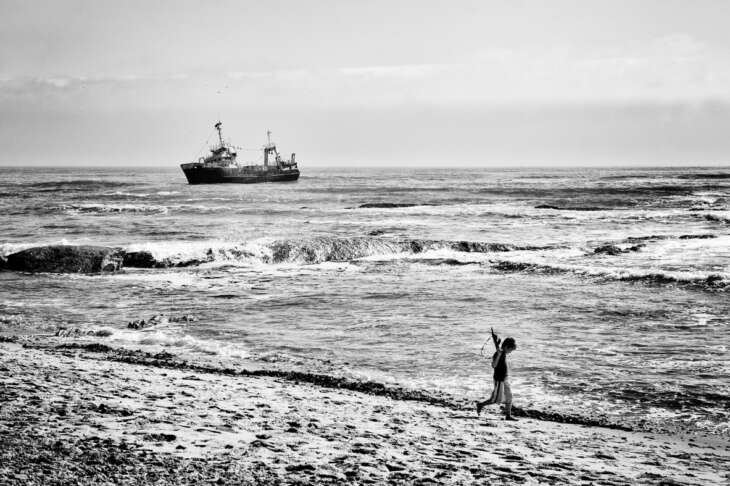
28DEC2007. Namibia. Shipwrecks: Known as a “ship graveyard,” the coast is littered with rusted, skeletal remains of vessels, with roughly 300-500 ships believed to have wrecked there.
Storm Kristin
March 11th, 2026
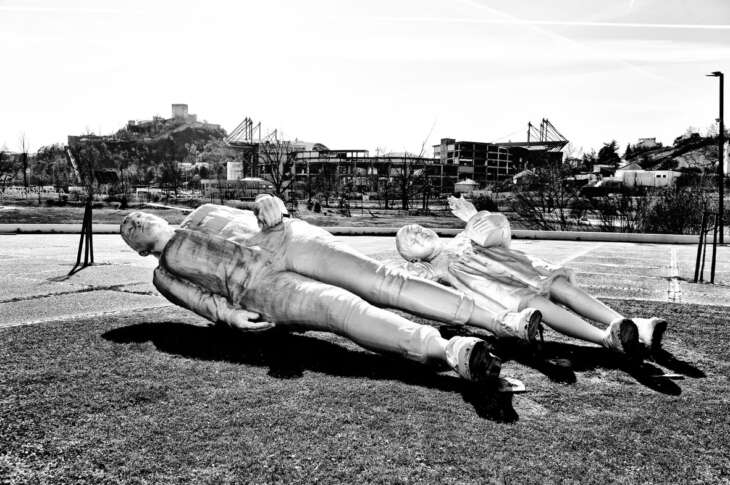
Leiría, 21.02.26.. Storm Kristin toppled the sculptures in the Almuinha Grande garden in Leiria, titled “Futuro” (Future). Created by Ricardo Romero, the piece consists of two human figures – a child and a woman – and represents hope, recovery, and “the need to move forward into the future.”
“Storm Kristin caused severe damage to artist Ricardo Romero’s studio in Leiria, along with several public artworks. His practice is now paused as recovery begins. A solidarity GoFundMe appeal, link below, is underway to help rebuild the studio and restore working conditions. Any support or sharing helps.”
Black in white
April 18th, 2025
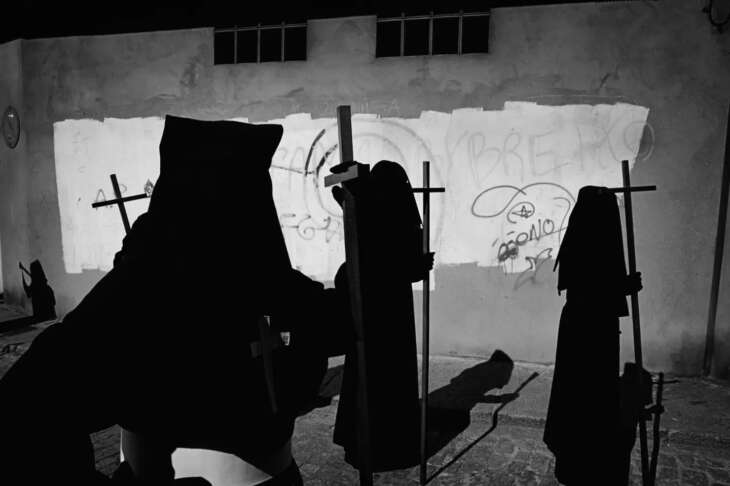
Ferrol. 2007
Farmers protest
February 2nd, 2024
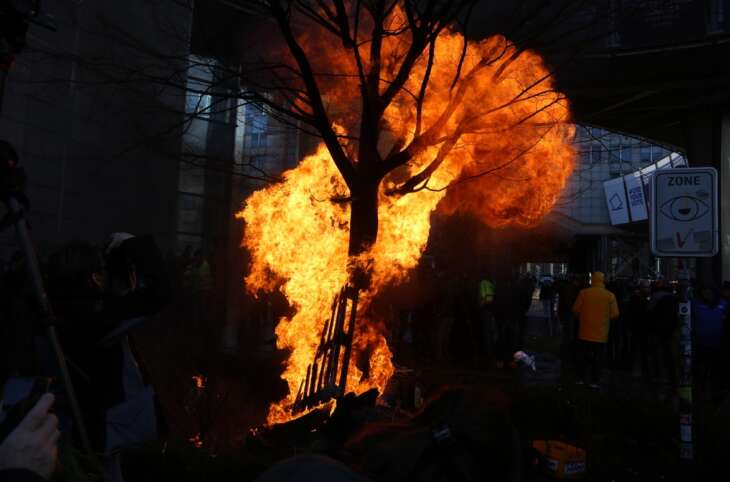
Farmers burned hundreds of tires and a tree in front of the European Parliament. A protest that should be ecological and without attacking public street furniture ended with carbon dioxide pollution in the atmosphere and the death of an innocent tree.
NATO STEADFAST DEFENDER 2024
January 30th, 2024
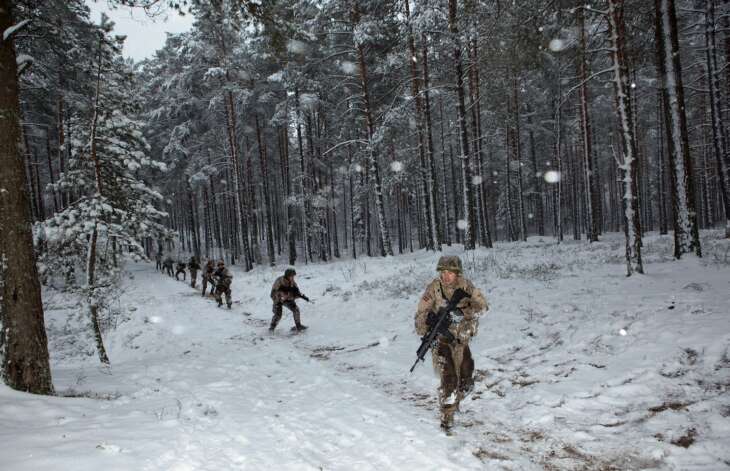
NATO STEADFAST DEFENDER 2024
Series of national and multinational large-scale live exercises (LIVEX) conducted across various geographical locations within SACEUR’s area of responsibility. It is the largest NATO exercise in decades, with approximately 90,000 soldiers, sailors and airmen from 31 Allies and Sweden, and it will be based on NATO’s new defence plans. The exercise demonstrates NATO’s capability to quickly deploy and reinforce in times of crisis, focusing on training for deterrence and defense across the Euro-Atlantic region.
If Russia is not stopped in Ukraine, it could continue, and then it’s the Baltic states who would be next, according to a statement by the Lithuanian Minister of Foreign Affairs, Gabrielius Landsbergis, ahead of the meeting of EU foreign ministers in Brussels. Landsbergis emphasized that Ukraine is currently holding back Russian aggression on its territory, adding that he hopes for its success in this war. “But if the Ukrainians are unsuccessful, we have to be ready to answer the question of who will contain Russia then,” said the Lithuanian minister. According to him, the Baltic countries could be the first to fall under danger. “Now we do feel the war close to us, we understand that if Russia is not stopped in Ukraine, it could continue, and then it’s the Baltic states who would be next. And hopefully this could send a message to our friends and partners in Europe, in NATO, that we have to take it seriously,” Landsbergis stated. He added that Ukraine’s war is existential for Europe. “This is why we feel the chill of the war on our necks,” said the Lithuanian Foreign Minister. The Ministry of Defense of Lithuania also commented on the situation, stating that there is currently no threat of a Russian attack on NATO, as Moscow is focused on Ukraine.
Decolonization of Belgian public space
January 23rd, 2024
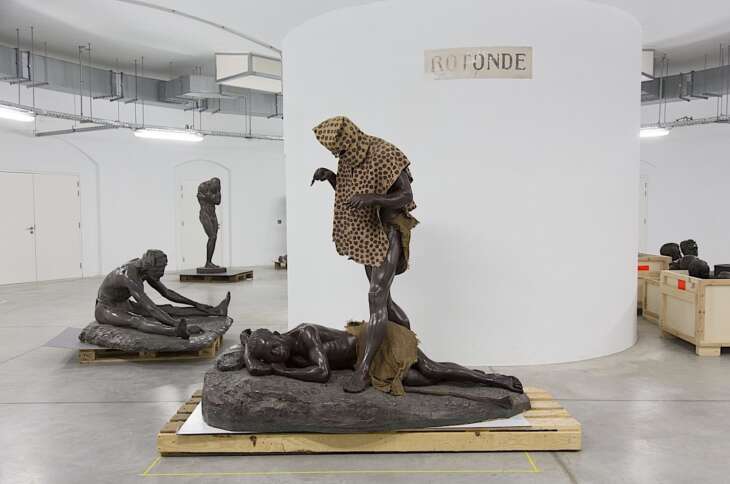
Decolonization fundamentally consists of a questioning, a deconstruction of our thoughts, our reasoning, our imaginations to overcome the foundations of injustices and inequalities. Mathys and Van Beurden demonstrate that “the supposed benefits of colonialism, for example, were very unevenly distributed, and not at all structurally developed. They were often (sometimes unintentionally) by-products of colonial policies intended to protect the interests of the mother country and not the result of altruistic actions.
Image: The ‘leopard man’, the statue that inspired one of the characters in ‘Tintin in the Congo’, the album that earned its author, Hergé, accusations of being racist and colonialist in the ‘ReThinking Collections’ exhibition at the Africa Museum from Brussels.
Cuba 1991
June 18th, 2023
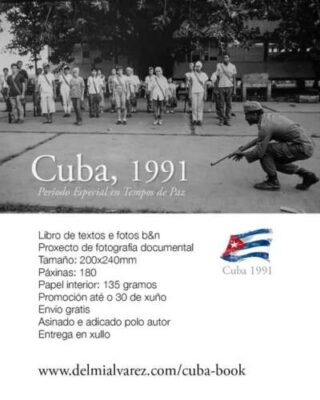 Novo libro
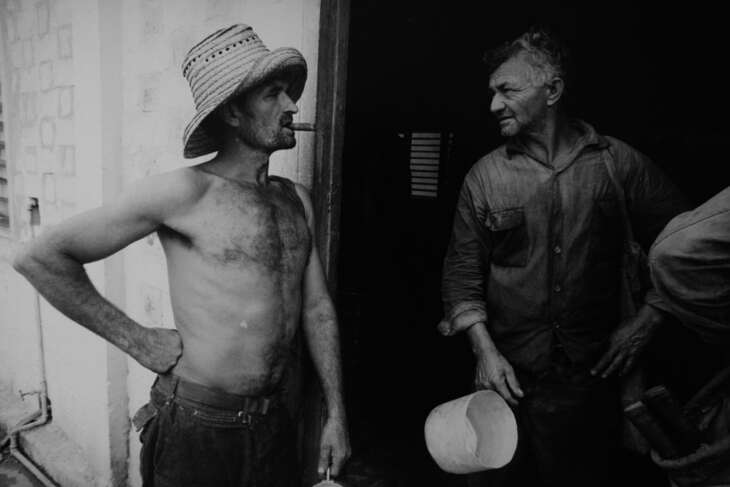
En xullo publicase un novo libro sobor o proxecto levado a cabo no ano 1991, durante o Período Especial en Tempos de Paz na illa de Cuba.
O Período Especial en Tempos de Paz, foi unha longa crise que comezou como resultado do colapso da Unión Soviética en 1991, do campo socialista e o agravamento do embargo estadounidense. Aínda hoxe, en 2023, a carencia de combustible e outros produtos de necesidade, obrigan ao racionamento. Cuba 1991, é un proxecto de fotografía documental con concepto de autor, levado a cabo na illa para documentar a vida diaria e o esforzo da cidadanía para sobrevivir.
O autor documentou A Zafra (recollida da cana de azucre), a minería, a agricultura, o tabaco, a vida social, e outros temas. Foi posible fotografar grazas a que as autoridades cubanas comprenderon a necesidade de facer ver ao mundo a precariedade na que vivía Cuba, e enviar unha mensaxe a solidariedade internacional. As fotografías son en branco e negro con película Kodak TRI-X, e os textos en galego. Desafortunadamente, nun voo de Madrid a Cuba, o avión fixo escala en Santo Domingo e a maleta que contiña cadernos e negativos nunca máis apareceu. E se non fose pouco, moitos dos textos escritos estaban nun computador Toshiba T1000XE, que nunca volveu a acender. A tirada é de 100 exemplares, en papel interior de 135 gramos, dos cales se poñen á venda 80. É un prezo simbólico na promoción sen ánimo de lucro para un proxecto autofinanciado, publicado como libro por primeira vez grazas e en parte as achegas que recibe. O traballo foto documental acadou o primeiro premio Fotopres da Caixa en Barcelona, 1993. Cuba 1991 é a ollada comprometida do autor aberto a crítica no eido educativo.
Ligazón para mercar o libro: www.delmialvarez.com/cuba-book
100 anos Primeira guerra Mundial 1919
June 18th, 2023